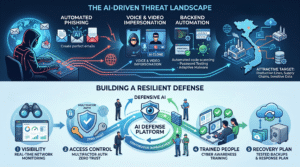
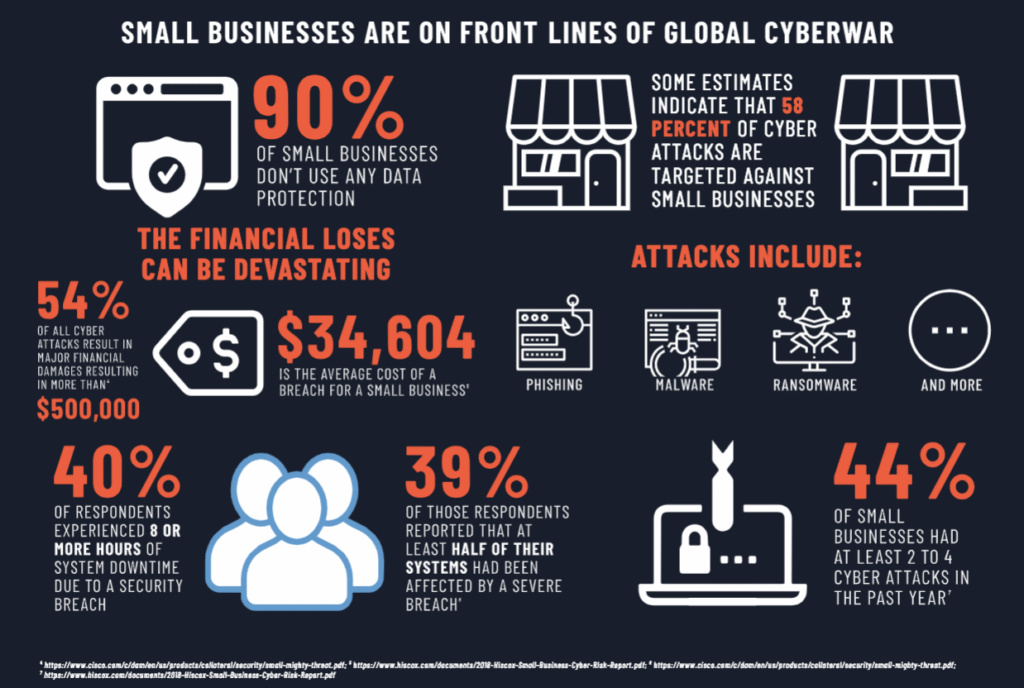
When people hear about cyberattacks, they often think of global corporations, banks, or government organizations making headlines after massive data breaches. However, the reality is very different. Today, cybercriminals are increasingly targeting small and medium-sized businesses because they are often easier to attack and less prepared to respond.
Modern cyberattacks are no longer rare or highly specialized incidents. They have become automated, scalable, and accessible even to low-level attackers. Any business connected to the internet can become a target.
Why Small and Medium Businesses Are Vulnerable
Many smaller organizations believe they are “too small to be noticed.” Unfortunately, attackers do not always manually choose their victims. Automated tools continuously scan the internet looking for weak passwords, outdated systems, unsecured devices, or employees vulnerable to phishing emails.
Compared to large enterprises, smaller businesses often have:
- Limited cybersecurity budgets
- Fewer IT personnel
- Weak security awareness
- Infrequent system updates
- No dedicated monitoring team
This makes them attractive targets for cybercriminals who want quick access with minimal resistance.
Common Types of Cyberattacks
1. Phishing Attacks
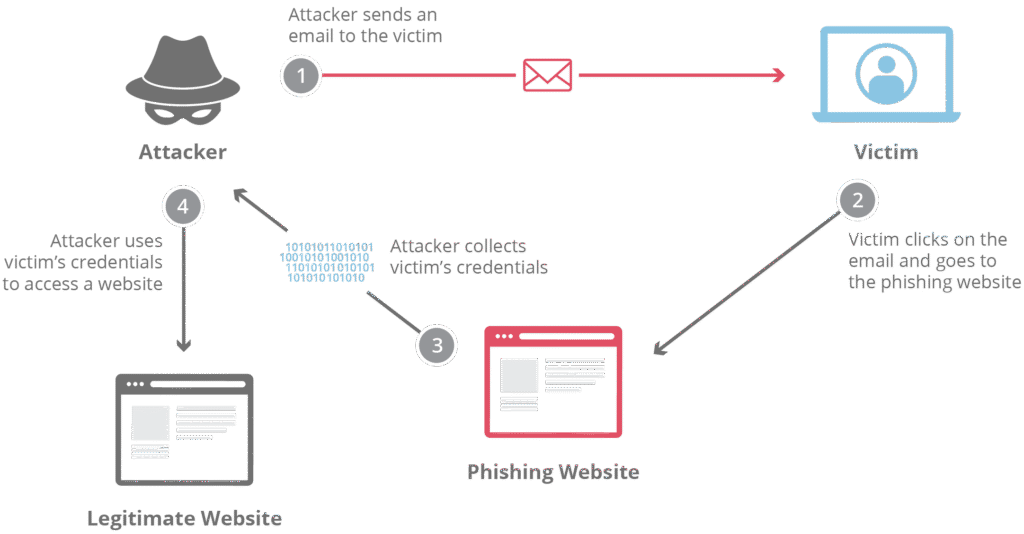
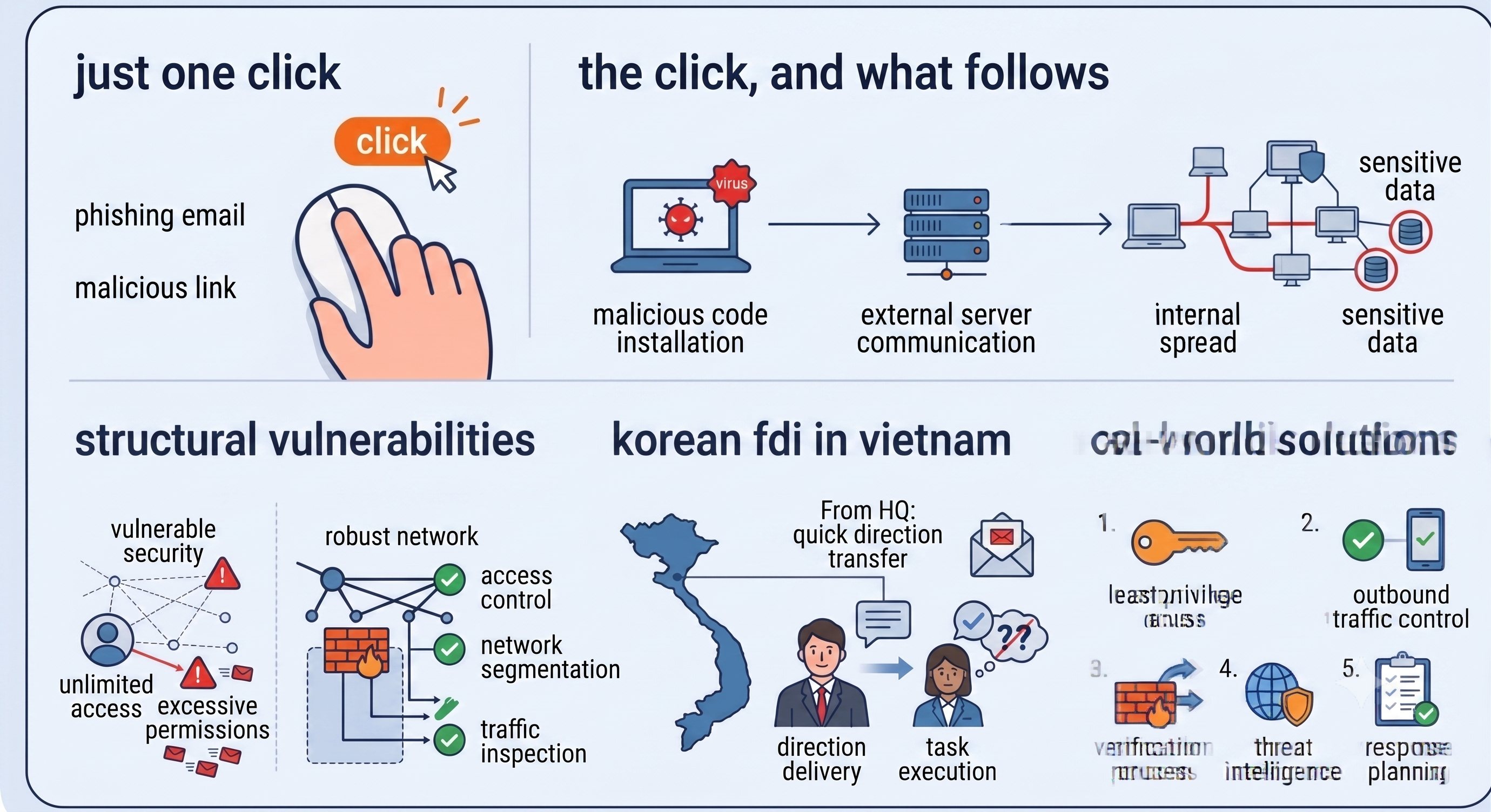
Phishing is one of the most common and effective cyberattacks today. Attackers send fake emails or messages pretending to be trusted companies, colleagues, banks, or partners.
The goal is usually to:
- Steal passwords
- Collect sensitive information
- Trick users into downloading malware
A single employee clicking on a malicious link can compromise an entire company network. Because phishing relies on human error rather than technical weakness, even well-equipped businesses can become victims.
2. Ransomware Attacks
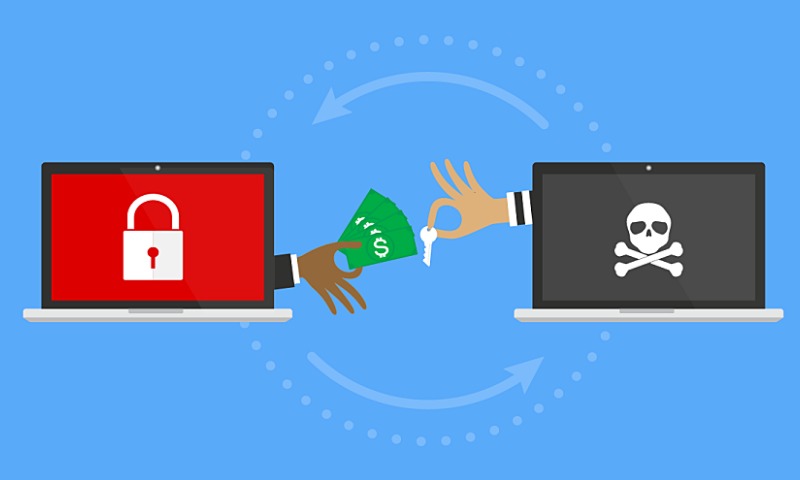
Ransomware is one of the most damaging forms of cybercrime for businesses. In a ransomware attack, hackers encrypt company files and demand payment to restore access.
The impact can include:
- Operational downtime
- Loss of customer data
- Interrupted services
- Financial losses
- Reputational damage
For many businesses, even a few hours of downtime can significantly affect operations. In severe cases, organizations may permanently lose critical data if backups are unavailable or compromised.
3. Malware Infections
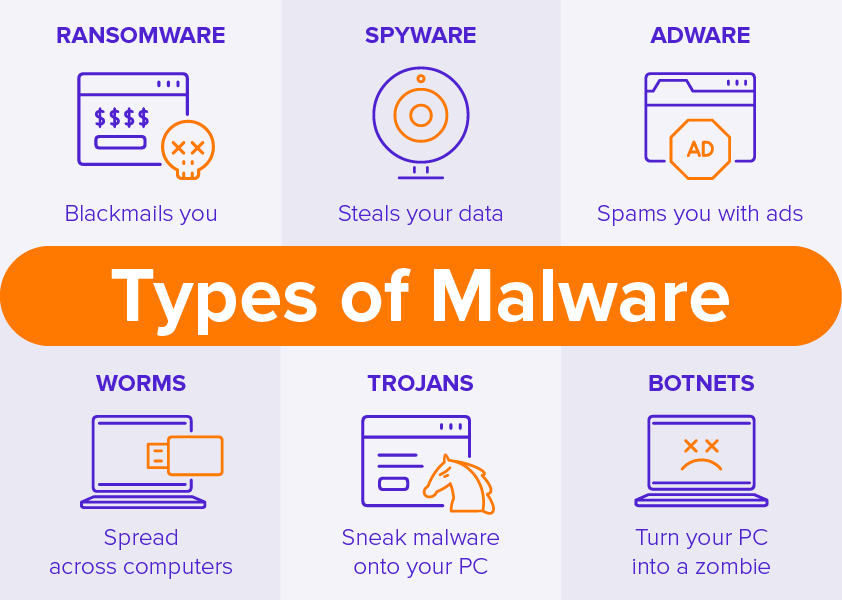
Malware is a broad term covering malicious software such as viruses, spyware, trojans, and worms. Malware can enter systems through infected attachments, unsafe downloads, or compromised websites.
Once inside a network, malware can:
- Steal information
- Monitor user activity
- Slow down systems
- Spread to other devices
- Open backdoors for future attacks
Many malware infections remain undetected for long periods, silently collecting data in the background.
4. Password Attacks
Weak passwords remain one of the easiest ways for attackers to gain unauthorized access. Many employees still reuse passwords across multiple systems or choose passwords that are easy to guess.
Cybercriminals use automated tools to perform:
- Brute-force attacks
- Credential stuffing
- Password spraying
Without strong password policies and multi-factor authentication, businesses remain highly exposed.
5. Distributed Denial-of-Service (DDoS) Attacks
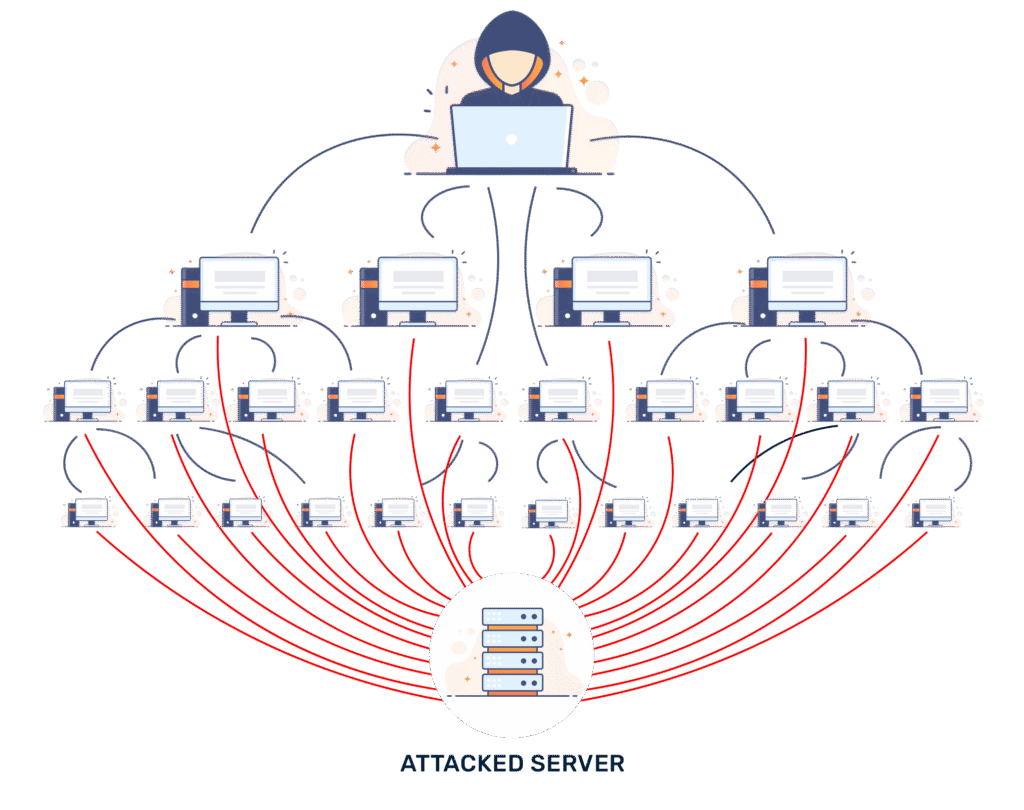
A DDoS attack overwhelms servers or networks with massive amounts of traffic until systems become slow or completely unavailable.
For businesses, this can mean:
- Website outages
- Failed online transactions
- Interrupted customer access
- Loss of revenue
Even short disruptions can affect customer trust and business reputation.
6. Insider Threats
Not all cyber risks come from external hackers. Employees, contractors, or former staff members can also create security incidents intentionally or accidentally.
Examples include:
- Sharing sensitive information
- Misconfiguring systems
- Downloading unsafe software
- Using unauthorized devices
Human error continues to be one of the largest cybersecurity risks for organizations worldwide.
Cybersecurity Is Not Only About Technology
Many companies think cybersecurity simply means installing antivirus software or a firewall. In reality, effective protection requires a combination of:
- Security awareness
- Continuous monitoring
- Strong policies
- Regular updates
- Reliable backups
- Fast incident response
Technology alone cannot stop every attack. Businesses also need trained employees and proactive IT management.
The Importance of Preparation
Cyberattacks cannot always be prevented completely, but businesses can significantly reduce risks and minimize damage through preparation.
Important steps include:
- Training employees to recognize phishing attempts
- Using strong passwords and multi-factor authentication
- Keeping systems updated
- Backing up critical data regularly
- Monitoring networks continuously
- Working with experienced IT and cybersecurity providers
Final Thoughts
Cyberattacks are no longer a problem only for large enterprises. Every business connected to the internet faces potential risks, regardless of size or industry.
In today’s digital environment, cybersecurity is not simply an IT concern. It is a business continuity issue. Companies that invest in awareness, preparation, and proactive protection are far better positioned to reduce risks and maintain customer trust in an increasingly connected world.