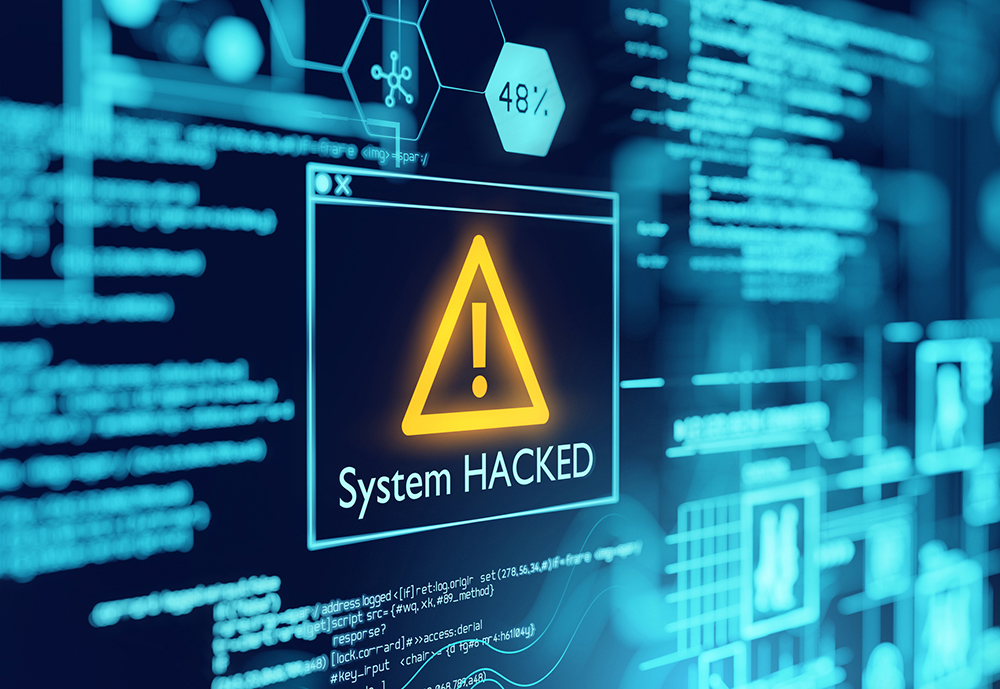
In today’s digital world, many businesses still believe cyberattacks only happen to large corporations with massive databases and international operations. In reality, however, small and medium-sized businesses are often the easiest targets. Many attackers specifically focus on companies with weaker security systems because they are easier to penetrate and less likely to detect suspicious activity quickly.
And when a company gets hacked, the consequences go far beyond losing a few files.
It Starts With Downtime
The damage usually begins quietly. At first, employees may notice that the Internet becomes unstable, systems respond more slowly than usual, or internal applications suddenly stop working. Emails fail to load, customer databases become inaccessible, and websites may even go offline completely. What initially appears to be a normal technical issue can rapidly escalate into a major operational crisis.
For businesses that rely heavily on digital operations, downtime is one of the most immediate and costly impacts of a cyberattack. A logistics company may lose visibility over deliveries. A retailer may no longer process customer orders. Customer service teams may be unable to respond to inquiries, while finance departments lose access to critical records and transactions. Even a short interruption can affect productivity, revenue, and business continuity.
Then Comes Data Loss

Unfortunately, downtime is often only the beginning.
Once attackers gain access to a company’s network, data becomes the next target. Sensitive information such as customer records, contracts, financial reports, employee credentials, and internal communications may be stolen without anyone noticing. In more serious cases, attackers deploy ransomware that encrypts company files and demands payment in exchange for restoring access.
One of the most dangerous aspects of modern cyberattacks is that they are not always immediately visible. Attackers can remain inside a network for days or even weeks before being detected. During that time, they quietly collect information, monitor activity, and expand their access deeper into the system.
The Hidden Cost: Reputation Damage

Even after systems are restored, the hidden consequences continue to grow. A cyberattack does not only damage infrastructure – it also damages trust. Customers begin questioning whether their information is truly safe. Business partners may become concerned about security standards. Employees lose confidence in internal systems, and management faces increasing pressure to prevent another incident from happening again.
For many businesses, reputation takes years to build but only one security breach to weaken.
Why Traditional Security Is No Longer Enough
Companies can no longer rely solely on basic antivirus software or a firewall that was configured years ago and never updated again. Modern threats evolve constantly, and attackers are using increasingly sophisticated methods to bypass outdated defenses.
Strong cybersecurity now requires continuous monitoring, proactive threat detection, controlled network access, and rapid incident response. Businesses need visibility into what is happening across their network environment at all times, not only after a problem occurs.
How Managed Firewall Services Help Businesses Stay Protected

A properly managed firewall does much more than block suspicious traffic. It acts as a frontline security layer that continuously monitors network activity, identifies abnormal behavior, filters malicious connections, and helps prevent unauthorized access before threats can spread across the system.
With a Managed Firewall service, businesses gain ongoing protection without needing to maintain a large in-house cybersecurity team. Security policies are monitored and updated regularly, potential threats can be identified earlier, and incidents can be responded to more quickly before they become serious disruptions.
At Beyondnet, we help businesses strengthen their network security through professional Managed Firewall services designed to balance both protection and operational stability. In an environment where cyber threats continue to evolve every day, proactive security is no longer optional – it is an essential part of maintaining business resilience and customer trust.